
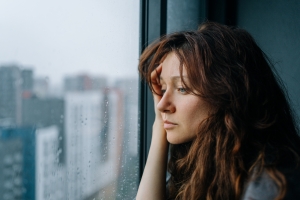
Do you find that your mood shifts during winter? Many people experience changes in their emotions as the seasons transition, but for some, this development can be more intense than expected. Seasonal depression might impact your quality of life during the winter months, and the first step of addressing the issue is understanding whether the mood changes you are experiencing are tied to seasonal depression.
The good news is that if the seasonal changes do bring depression, you are not alone. Numerous resources, including therapy, can help you overcome the symptoms and return the joy, enthusiasm, and interest that you may have lost during winter. If you are ready to learn more about seasonal depression, here are some common signs and what to do next if they sound familiar.
Understanding Seasonal Affective Disorder (SAD)
Seasonal Affective Disorder (SAD) is a type of depression related to the change in seasons. You may have heard it referred to as seasonal affective disorder or SAD. Many people who experience SAD see symptoms rise during the winter, but seasonal depression can happen at any time of the year.
What distinguishes it from the winter blues?
The “winter blues” is a common experience characterized by low mood, typically during the holiday season. Through a combination of holiday stress, fewer daylight hours, the end of the holidays or Christmas break, and other factors, people may become temporarily sad and distant.
However, while the winter blues is a real challenge that should be approached with empathy, it is not the same condition as seasonal affective disorder. Your winter slump should dissipate quickly, often within a week or two. SAD, on the other hand, persists and often has more noticeable symptoms.
Signs and Patterns to Watch for

Everyone’s experience with seasonal depression differs, and you should seek guidance from professionals if you suspect that you may be experiencing symptoms. That being said, many people share common signs and patterns if their life is being influenced by SAD.
Common signs and patterns to watch for include:
- Mood and motivation: Examine whether you find yourself regularly experiencing low mood with no outside cause. Consider if you are losing motivation, even for tasks that formerly excited you.
- Sleep and energy: Are you fatigued frequently? Does your sleep schedule align with your goals, or are you failing to sleep enough (or sleeping too long)?
- Appetite and cravings: Have you developed new eating habits, such as binge eating? Have you lost your appetite?
- Social withdrawal and focus: Consider how your social life has been recently. Are you isolated or lacking interest in engaging with others?
Why Winter?
Seasonal depression most commonly strikes in the winter. But why?
- Light: Daylight hours shrink during winter, leading to longer periods of darkness. This can disrupt the human body’s circadian rhythm and other processes that affect mood, hunger, and more.
- Routine: The winter season tends to have less routine than the rest of the year. From work or school breaks to family gatherings, staying on a consistent schedule often becomes trickier.
- Stress stacking: Winter is a stressful season for many people, as they juggle end-of-year responsibilities, holidays, travel, finances, and more. All this may occur alongside growing isolation, as outdoor activities with friends decrease due to the weather (and others’ busy schedules).
What to Do If Seasonal Depression Strikes
If your seasonal depression has reared its head again, you do not simply have to accept all the ways it changes your life. What to do next should be based on what you notice.
First, track the patterns you are seeing for one to two weeks. Pay particular attention to your sleep, energy, overall mood, cravings, and social interest.
Then identify the biggest trigger contributing to your symptoms. Do they worsen as your schedule falls apart, or are they tied to hours of daylight? Stress? Isolation?
From there, you can pick a “starter change” matched to that trigger. If light is an issue, consider sitting in front of a natural light box every morning for ten minutes. If you are isolated, schedule a recurring phone call with a friend.
When to Seek Professional Support

There are many options for easing the symptoms of seasonal affective disorder at home. However, it is always smart to seek professional support to help you on your path. Pay attention to:
- Symptoms that last most or all of the day, nearly every day
- Symptoms that interfere with your ability to live your daily life
- Thoughts of self-harm or worthlessness
- Numerous comorbid symptoms (e.g., loss of pleasure, low energy, poor sleep, social withdrawal)
If this sounds familiar, now is the perfect time to seek professional support.
Get Help to Protect Your Mental Health Against Seasonal Depression
Seasonal depression might come around every year, but that does not mean you need to sacrifice a chunk of your calendar each time it reappears! The professionals at Village Counseling can help you create a plan to manage SAD through strategies such as personalized coping skills, cognitive behavioral therapy, and more. Schedule your therapy session with Village Counseling today.