
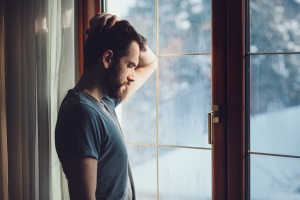
Have you noticed that your mood shifts along with the seasons? Do you tend to experience more mood swings or low moods during the winter? If so, your symptoms may be attributable to seasonal depression, also known as SAD.
Seasonal depression is a common challenge for people from all walks of life, and it can impact everything from how you engage with others to how you treat yourself. When you notice the symptoms of SAD, understand that you do not simply have to live with them. This guide will equip you with the knowledge you need to get through winter when seasonal depression hits, from strategies you can try at home to how therapy can make all the difference.
What You’ll Get From This Guide
This guide offers an overview of seasonal depression: who is most susceptible to it, what it looks like, when it occurs, and what to do if you suspect that it may be impacting your life. Seasonal depression does not have to rule your life. With the collaboration of a therapist and strategic at-home approaches, you can take charge of your emotional and mental wellness at any time of the year.
What Is Seasonal Depression? Understanding SAD vs. the Winter Blues
Seasonal affective disorder (SAD) is a type of depression that is linked to seasonal change. While it can vary, most people experience SAD as fall transitions into winter, when days get shorter. However, occasionally, people feel it again as spring moves to summer. Geographic location can also impact the onset of SAD.
SAD differentiates itself from the winter blues, which is a transient bout of upset, distress, or sadness and lethargy arising from the season. For instance, many people experience the seasonal blues after the holidays, when the depths of winter set in, social gatherings and family time conclude, and a long stretch of uninterrupted work or school remains until spring.
The winter blues is not a diagnosable medical condition. However, seasonal affective disorder, like depression, is included in the medical spectrum.
Who Is Prone to Seasonal Depression?
SAD can impact anyone. However, those who are already prone to a depression diagnosis, such as people with a genetic predisposition, develop SAD more frequently than their peers. Additionally, women are more vulnerable than men; on average, they experience SAD four times more often than men.
Additionally, those who live far from the equator (where seasonal change is more observable) are at greater risk. Many people who develop regular SAD resurgence begin to do so between the ages of 18 and 30.
When Does Seasonal Depression Occur?
Seasonal affective disorder, as its name suggests, is tied to seasonal shifts. Most people experience it as the days get shorter between the end of summer and the start of winter. However, your experience may be different; this does not necessarily mean that you are not experiencing SAD.
Signs You Might Be Experiencing SAD
Seasonal depression is an individual experience, as a person’s symptoms are most often noticeable directly in correlation with their most common behaviors. In other words, someone with numerous creative hobbies may notice that their creativity is stifled more easily than someone who rarely engages their creative side, even if the two share that symptom.
Some of the signs that you might be experiencing SAD include:
Emotional Signs
As with many forms of depression, one of the most notable symptoms for many is an intense or overwhelming sadness. However, some people may experience only minimal sadness or tearfulness. Being sad (or not) is not an exclusionary criterion.
A persistent negative mood can be indicative of SAD. This may include feelings of emptiness, hopelessness, overwhelm, or a loss of concentration. People with SAD may be more prone to irritability and or a sense of misery and despair. The intensity of these symptoms can vary.
Physical Signs
Although seasonal affective disorder is a condition centered on mental and emotional wellness, it can have noticeable physical symptoms as well. These may include fatigue, sleeplessness, and changes in appetite. These elements may occur in either direction (e.g., excessive sleeping or insomnia).
The stress resulting from seasonal depression may disrupt the gut, causing nausea and cramping. Some people may also see a decrease in libido while intensifying other cravings, such as for specific types of foods.
Behavioral Signs
As people struggle with seasonal affective disorder, their behaviors and habits may change. Many begin to withdraw from social activities, either intentionally or by accident. They may lose interest in activities they once enjoyed and lack the motivation to participate, even if they are interested. Seasonal affective disorder can also increase negative self-talk.
Rest assured that if these or other symptoms are causing you difficulties, you do not have to surrender your life to their effects. You, too, can get through winter even if seasonal depression affects you.
Why Winter Often Sours Mood

It is not uncommon for people to experience low mood during winter, even if they do not have a seasonal affective disorder diagnosis. Winter itself can exacerbate the situations that lead to mood changes.
People’s routines frequently change during winter, from frequent holiday visits to loved ones to behavioral adjustments according to fewer daylight hours. Daylight is a factor: less daylight is associated with increased sluggishness, reduced interest, and sleep changes. Isolation is more frequent in winter, as outdoor social activities are less common. The stress of all these elements (alongside stress from the holidays and the season itself) can build over time to create noticeable mood changes.
Dealing With Seasonal Depression: Start Here
If you believe that seasonal depression is affecting your ability to live life the way you want to, you have options. Therapy is a powerful tool in your arsenal, giving you an ally with whom to collaborate. A therapist helps you to create personalized strategies, coping mechanisms, and goals to overcome SAD.
In addition to professional help, here are a few options to supplement your care and wellness at home, including low-energy possibilities for those who struggle to find the time or energy to make changes.
Brighten Up
One of the primary contributors to seasonal affective disorder is the reduced light during the winter months. The human body relies on natural light to regulate many of its systems, including its circadian rhythm. This is why people struggling with SAD also frequently experience sleep disturbances.
A quick walk outdoors can have positive effects. If you are struggling to carve out enough time to soak in natural sunlight, many individuals find it helpful to spend the first 10 to 20 minutes of their day under a natural light lamp to help the body properly regulate.
Get Moving
Just as the body needs light to regulate its rhythms, so too does it need movement. This helps blood flow, delivering oxygen that helps keep you awake, alert, and energized. However, many people find that SAD decreases their energy levels, making movement a challenge.
There is no need to feel overwhelmed by the prospect of adding more movement to your day. Anything doable is worth doing! Start small: stop by your front door on the way to whatever room in your home you are going to, getting a dozen more steps along the way. Swing your arms a little further when you walk.
These things can make a difference, even if you do not have the energy to go for a long walk or visit the gym. Consistency is king.
Find a Routine
Routine is essential for the brain. It provides consistency, allowing a person to prepare their attention and mood for what is coming. A sense of unpredictability can leave a person feeling unmoored and anxious.
One of the best things you can do to overcome SAD at home is to stick to a routine with daily anchors. Use your wake time, meals, and wind-down as your starting points to create consistency. This includes sleep support, making sure you get enough rest each day (both during sleep and during breaks).
Prioritize Sleep
Speaking of sleep, do not neglect this portion of your daily routine. Give it specific attention, as sleep is the basis for everything else your body does. Simple sleep-support habits, such as avoiding electronics for an hour before bed and limiting caffeine, can help your body and mind recover.
Of particular importance is the role of weekends. While these rest days are meant to rejuvenate you, be sure not to let the weekend derail your rest. Otherwise, your body will always be playing catch-up.
Practice Mindfulness
Mindfulness is the practice of being attuned to one’s inner self. It means attending to the present moment, including your emotional and physical feelings. To practice mindfulness, a good place to start is right where you are at this moment.
Think about the feelings you are currently experiencing. Are you stressed? Sad? Calm? Name the feeling, but do not judge yourself for feeling it. There is no need to rationalize why you feel that way or whether you “should” feel that way.
Then, turn your attention to your body. What do you feel? The air temperature? The fabric of your shirt?
By bringing yourself into the present moment, you allow your mind to refocus and distance itself from vague feelings of stress or overwhelm. As a result, you may find that when your emotions are low due to seasonal affective disorder, you are more successful at naming those feelings and minimizing harmful self-talk about them.
When motivation is low, mindfulness can be done in just a minute or less. Simply name one emotion you are currently feeling. Alternatively, look around the room and find five things you can see, four things you can touch, three things you can hear, two things you can smell, and one thing you can taste.
When to Seek Professional Help

Seasonal depression can affect anyone at any time; if you believe that you may be suffering from SAD, it is always smart to talk to a professional. Even if you are not currently experiencing any changes to your quality of life or you simply want to get ahead of SAD before it has a chance to appear, a therapist can be a powerful option.
If seasonal affective disorder is currently impacting your daily life, support can make a significant difference. Pay special attention to:
- Prolonged symptoms that do not resolve
- Changes to wellness, such as losing weight from eating less
- Difficulty maintaining relationships or other responsibilities, such as employment
- Thoughts of self-harm
Conquer Your Seasonal Depression to Embrace the Wintertime
Seasonal mood changes are normal, and there is no shame in taking full advantage of all the resources at your disposal. By investing in your mental wellness as the seasons change, you can become more resilient to stress, depression, and other challenges that may affect your well-being.
The team at Village Counseling is always eager to welcome patients from all walks of life who want to make a change. From addressing existing challenges to learning coping skills and strategies that will serve you for years to come, we are happy to collaborate on a personalized approach to help you meet your goals. Contact Village Counseling to schedule a therapy appointment with one of our friendly, supportive professionals. Whether you need telehealth assistance, LGBTQ+ friendly support, and more, we are here to help when you need us at any time of the year!